Pennsylvania Weed Identification
Home / Weed identification
Free guide · Pennsylvania
Pennsylvania weed identification
Photos, a fact sheet and plain-English control tips for 127 weeds that show up in Pennsylvania lawns, garden beds, fence rows and woodlots. Search by name or filter by where it’s growing. Every page tells you how to identify it, what it’s often confused with and the right time to deal with it.

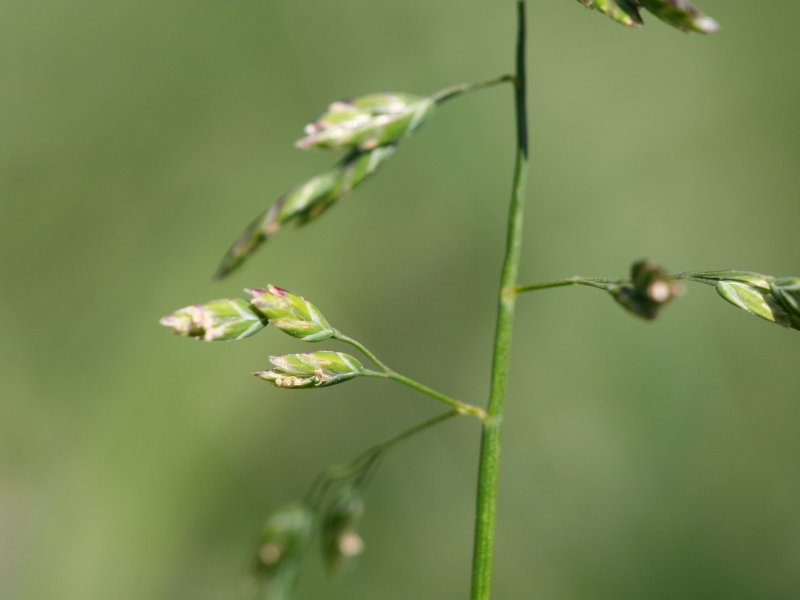


 BarnyardgrassEchinochloa crus-galliSummer annual · Garden beds
 BermudagrassCynodon dactylonPerennial · Lawn
 Bird's-foot TrefoilLotus corniculatusPerennial · Lawn
 ToxicBittersweet NightshadeSolanum dulcamaraPerennial · Garden beds
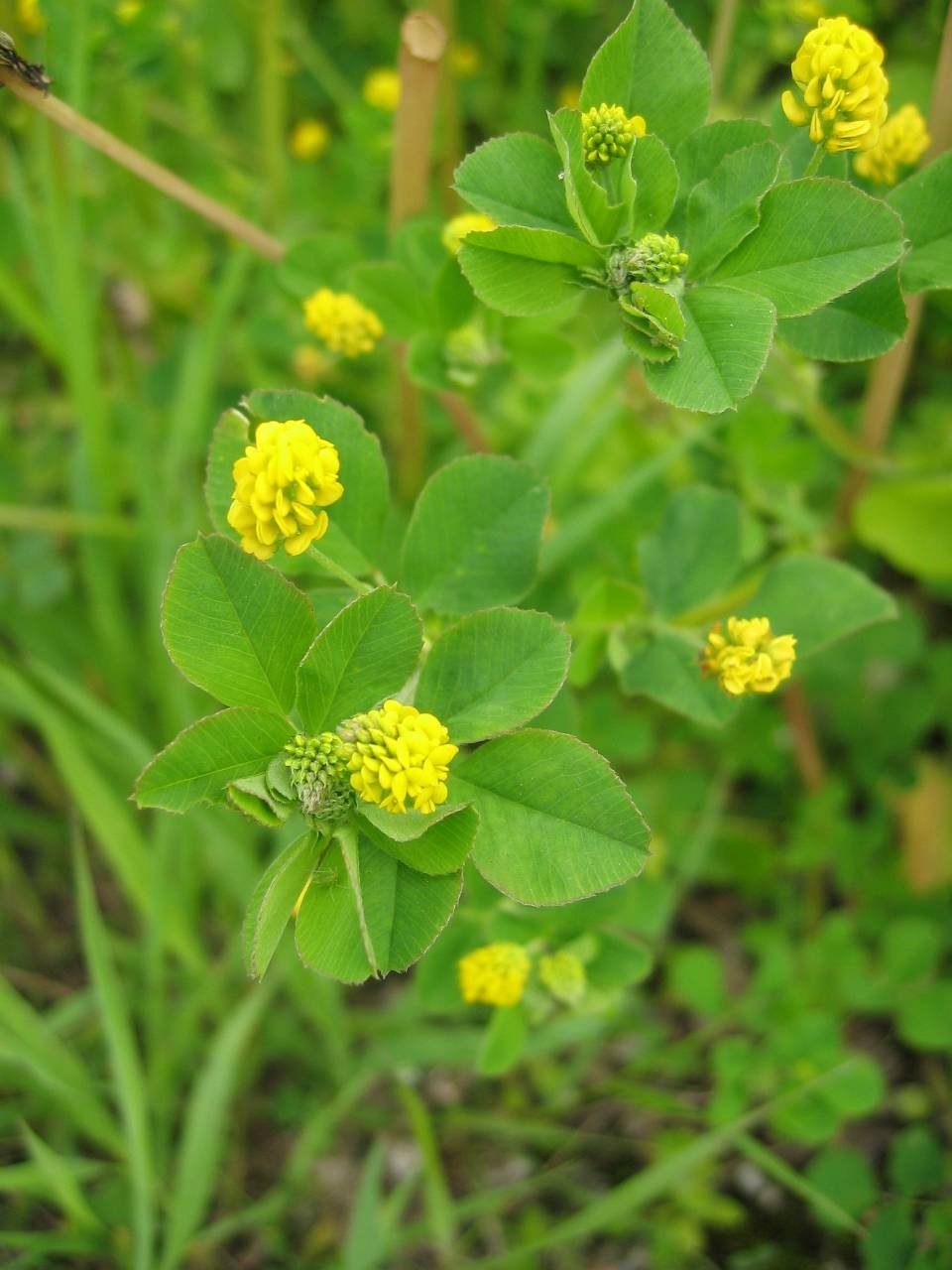 Black MedicMedicago lupulinaAnnual · Lawn
 PA noxiousBlack Swallow-wortVincetoxicum nigrumPerennial · Vine
 Broadleaf DockRumex obtusifoliusPerennial · Lawn
 Broadleaf PlantainPlantago majorPerennial · Lawn
 Buckhorn PlantainPlantago lanceolataPerennial · Lawn
 PA noxiousBull ThistleCirsium vulgareBiennial · Lawn
 Bur CucumberSicyos angulatusSummer annual · Garden beds
 PA noxiousBurning BushEuonymus alatusWoody shrub · Shrub / tree
 PA noxiousCallery PearPyrus calleryanaTree · Shrub / tree
 PA noxiousCanada ThistleCirsium arvensePerennial · Lawn
 CarpetweedMollugo verticillataSummer annual · Garden beds
 Catchweed BedstrawGalium aparineAnnual · Garden beds
 ChicoryCichorium intybusPerennial · Lawn
 PA noxiousCommon BuckthornRhamnus catharticaWoody shrub · Shrub / tree
 Common BurdockArctium minusBiennial · Garden beds
 Common ChickweedStellaria mediaWinter annual · Lawn
 ToxicCommon CockleburXanthium strumariumSummer annual · Garden beds
 ToxicCommon GroundselSenecio vulgarisAnnual · Garden beds
 Common LambsquartersChenopodium albumSummer annual · Garden beds
 Common MallowMalva neglectaAnnual or biennial (sometimes short-lived perennial) · Lawn
 Common MulleinVerbascum thapsusBiennial · Garden beds
 Common PurslanePortulaca oleraceaSummer annual · Garden beds
 Common RagweedAmbrosia artemisiifoliaSummer annual · Garden beds
 InvasiveCommon Reed (Phragmites)Phragmites australisPerennial · Wet areas
 ToxicCommon St. John's WortHypericum perforatumPerennial
 Corn SpeedwellVeronica arvensisWinter annual · Lawn
 Creeping BentgrassAgrostis stoloniferaPerennial · Lawn
 ToxicCreeping ButtercupRanunculus repensPerennial · Lawn
 Creeping Charlie (Ground Ivy)Glechoma hederaceaPerennial · Lawn
 Creeping SpeedwellVeronica filiformisPerennial · Lawn
 InvasiveCrown VetchSecurigera variaPerennial
 Curly DockRumex crispusPerennial · Lawn


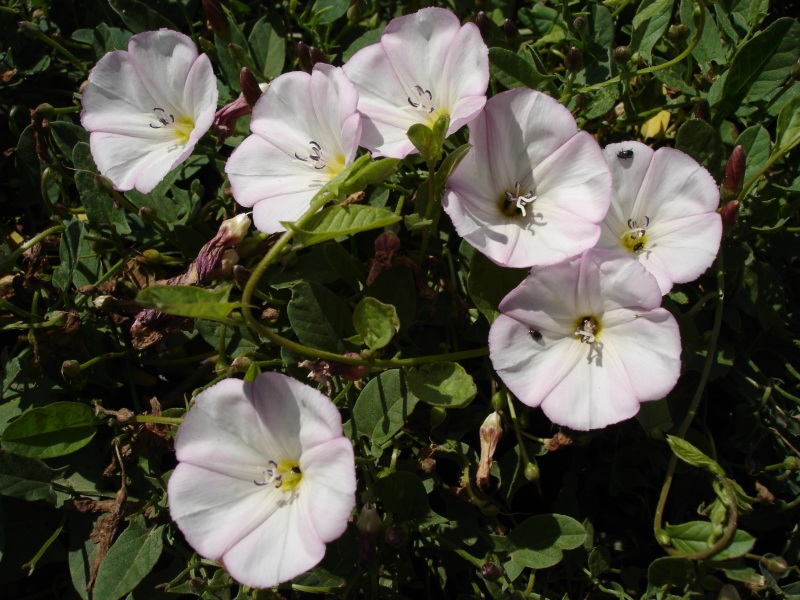


 PA noxiousGarlic MustardAlliaria petiolataBiennial · Garden beds
 Giant FoxtailSetaria faberiSummer annual · Garden beds
 PA noxiousToxicGiant HogweedHeracleum mantegazzianumPerennial
 Giant RagweedAmbrosia trifidaSummer annual · Garden beds
 GoosegrassEleusine indicaSummer annual · Lawn
 Green FoxtailSetaria viridisSummer annual · Garden beds
 Hairy BittercressCardamine hirsutaWinter annual · Garden beds
 Hairy GalinsogaGalinsoga quadriradiataSummer annual · Garden beds
 Heal-allPrunella vulgarisPerennial · Lawn
 Hedge BindweedCalystegia sepiumPerennial · Garden beds
 ToxicHemp DogbaneApocynum cannabinumPerennial · Garden beds
 HenbitLamium amplexicauleWinter annual · Lawn
 ToxicHorsenettleSolanum carolinensePerennial · Lawn
 Horseweed (Marestail)Erigeron canadensisWinter annual · Garden beds


 PA noxiousToxicJapanese BarberryBerberis thunbergiiWoody shrub · Shrub / tree
 InvasiveJapanese HoneysuckleLonicera japonicaWoody vine · Vine
 PA noxiousToxicJapanese HopsHumulus japonicusAnnual · Vine
 PA noxiousJapanese KnotweedReynoutria japonicaPerennial
 PA noxiousJapanese StiltgrassMicrostegium vimineumSummer annual · Lawn
 ToxicJimsonweedDatura stramoniumSummer annual · Garden beds
 PA noxiousJohnsongrassSorghum halepensePerennial


 PA noxiousMile-a-Minute VinePersicaria perfoliataAnnual · Vine
 Mock StrawberryPotentilla indicaPerennial · Lawn
 Mouse-ear ChickweedCerastium fontanumPerennial · Lawn
 PA noxiousMugwortArtemisia vulgarisPerennial · Garden beds
 PA noxiousMultiflora RoseRosa multifloraWoody shrub · Shrub / tree
 PA noxiousMusk ThistleCarduus nutansBiennial


 PA noxiousPalmer AmaranthAmaranthus palmeriSummer annual · Garden beds
 Pennsylvania SmartweedPersicaria pensylvanicaSummer annual · Garden beds
 Perennial SowthistleSonchus arvensisPerennial · Garden beds
 PineappleweedMatricaria discoideaAnnual · Lawn
 PA noxiousToxicPoison HemlockConium maculatumBiennial
 ToxicPoison IvyToxicodendron radicansPerennial (woody) · Vine
 ToxicPokeweedPhytolacca americanaPerennial · Garden beds
 InvasivePorcelain BerryAmpelopsis glandulosaWoody vine · Vine
 Prickly LettuceLactuca serriolaWinter annual · Garden beds
 Prostrate KnotweedPolygonum aviculareSummer annual · Lawn
 Purple DeadnettleLamium purpureumWinter annual · Lawn
 PA noxiousPurple LoosestrifeLythrum salicariaPerennial · Wet areas


 Shepherd's PurseCapsella bursa-pastorisWinter annual · Garden beds
 Smooth CrabgrassDigitaria ischaemumSummer annual · Lawn
 Spiny SowthistleSonchus asperAnnual · Garden beds
 InvasiveSpotted KnapweedCentaurea stoebePerennial
 ToxicSpotted SpurgeEuphorbia maculataSummer annual · Lawn
 ToxicStar-of-BethlehemOrnithogalum umbellatumPerennial · Lawn
 ToxicStinging NettleUrtica dioicaPerennial · Garden beds


 PA noxiousWaterhempAmaranthus tuberculatusSummer annual · Garden beds
 White CloverTrifolium repensPerennial · Lawn
 Wild BuckwheatFallopia convolvulusSummer annual · Garden beds
 PA noxiousToxicWild ChervilAnthriscus sylvestrisPerennial
 Wild GarlicAllium vinealePerennial · Lawn
 Wild MustardSinapis arvensisSummer annual (some fall-emerging plants overwinter) · Garden beds
 Wild OnionAllium canadensePerennial · Lawn
 PA noxiousToxicWild ParsnipPastinaca sativaBiennial
 Wild VioletViola sororiaPerennial · Lawn
 YarrowAchillea millefoliumPerennial · Lawn
 Yellow FoxtailSetaria pumilaSummer annual · Lawn
 Yellow NutsedgeCyperus esculentusPerennial · Lawn
 Yellow RocketBarbarea vulgarisBiennial · Garden beds
 InvasiveYellow SweetcloverMelilotus officinalisBiennial
 Yellow Wood SorrelOxalis strictaPerennial (sometimes behaves as an annual) · Lawn
How to use this guide
1. Start with where it grows
Lawn, garden bed, fence row, wet ditch or woods edge. Filter by spot and the list gets short fast.
2. Check the quick ID
Each page leads with 4–6 things to look for, like leaf shape, smell, sap, stem cross-section or flower, plus photos.
3. Match your timing
The fact sheet says when the weed is weakest. Treating at the wrong time is the most common reason weed control fails.
Questions we get about weeds
What are the most common lawn weeds in Pennsylvania?
In central PA lawns we see the same handful over and over: dandelion, white clover, broadleaf and buckhorn plantain, creeping Charlie (ground ivy), wild violet, crabgrass, yellow nutsedge and spotted spurge. Most of them are a sign of thin turf, low mowing or compacted, wet soil as much as a weed problem.
Which weeds in Pennsylvania are dangerous to touch?
Giant hogweed and wild parsnip have sap that causes severe burns and blisters when skin is exposed to sunlight. Poison ivy causes an itchy rash. Poison hemlock and jimsonweed are deadly if eaten. Each of those pages has a safety box. Never mow or string-trim giant hogweed or wild parsnip.
What is a noxious weed in Pennsylvania?
The PA Department of Agriculture keeps a Noxious Weed Control List. Plants on it, like multiflora rose, Japanese knotweed, tree-of-heaven and mile-a-minute, can't legally be sold, propagated or moved in Pennsylvania, and landowners may be required to control them. Use the PA noxious filter above to see them.
When is the best time to control weeds in central PA?
It depends on the life cycle. Crabgrass and other summer annuals are stopped with a pre-emergent in early spring, before soil hits about 55°F. Perennial broadleaf weeds like ground ivy and dandelion are easiest to knock out in early fall, when they move energy down into their roots. Winter annuals like henbit and chickweed are best handled in fall or very early spring.
Weeds are usually a symptom
Wet low spots, thin beds, overgrown fence rows and sunken pavers are where weeds win. We fix the ground underneath: beds, drainage, grading, brush clearing and hardscape across Clinton, Lycoming, Centre and Union counties.
Get a free estimate(570) 397-9800Photos: Wikimedia Commons contributors, credited on each weed’s page. Noxious status from the PA Dept. of Agriculture Noxious Weed Control List. For more, see Penn State Extension. Always read and follow herbicide labels.