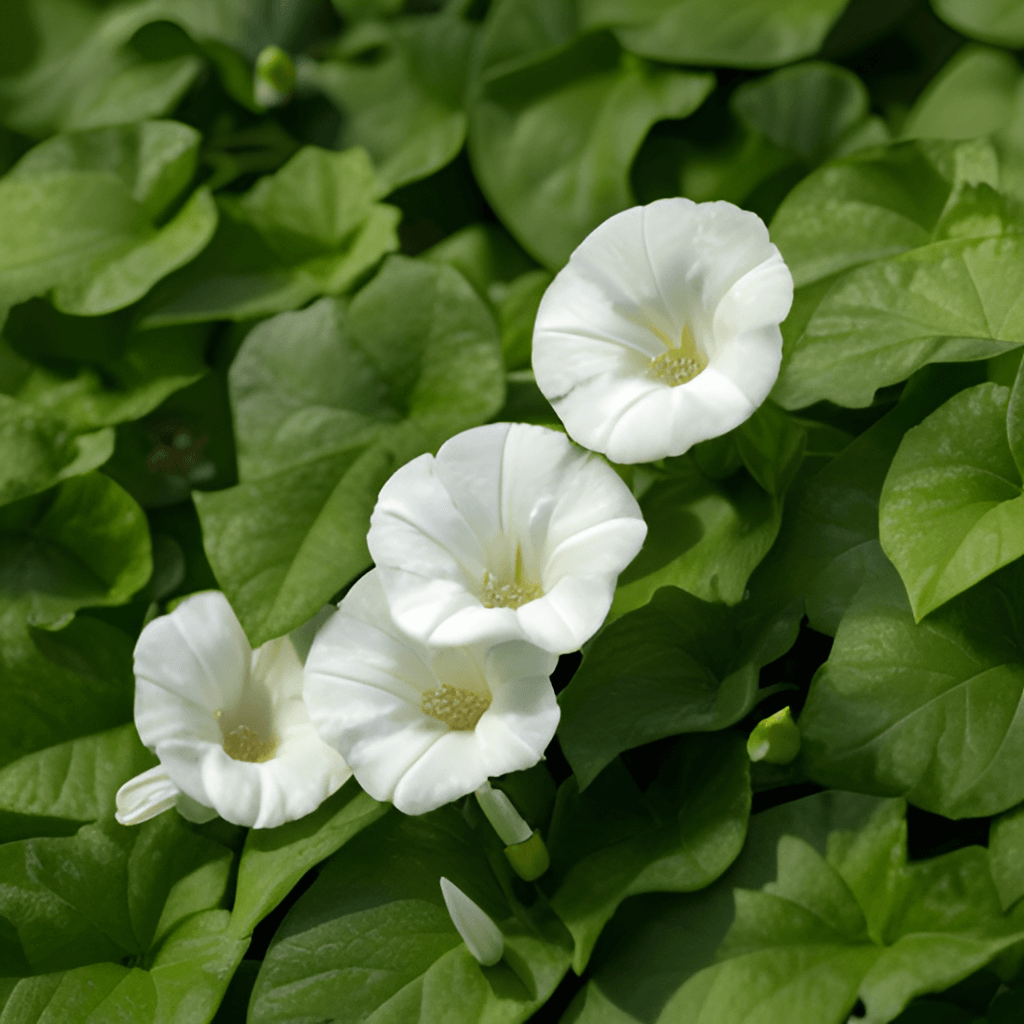
Hedge Bindweed (Calystegia sepium) presents a paradox to gardeners and naturalists alike. Its delicate, white, trumpet-shaped flowers can add beauty to the landscape, but its aggressive growth often turns it into a problematic weed. This guide provides a comprehensive overview of Hedge Bindweed, covering identification, ecological impacts, control strategies, and long-term management.
Introduction to Hedge Bindweed
Hedge Bindweed is a perennial vine that originates from Europe and Asia. Over time, it has become naturalized across North America. While it belongs to the same family as morning glory, Hedge Bindweed is notorious for its invasive nature. This plant can quickly dominate landscapes, making identification and control essential for protecting gardens and native ecosystems.
Identifying Hedge Bindweed: Key Characteristics

Growth Habit and Structure
Hedge Bindweed is a twining vine that can grow up to 10 feet or more. It wraps around supports like plants, fences, and garden structures. Unlike vines that cling using tendrils, Hedge Bindweed spirals around its host in a counterclockwise direction. This growth habit allows it to cover large areas quickly, often forming dense mats that smother other vegetation.
Stem Features
The stems of Hedge Bindweed are slender, green, and flexible, with a smooth surface. As the plant matures, the base of these stems can become somewhat woody, especially in older plants. This woodiness provides structural support, allowing the plant to remain upright as it climbs.
Leaf Characteristics
One of the most distinctive features of Hedge Bindweed is its leaves. These large leaves, typically 5 to 10 cm long, are shaped like an arrowhead or heart. The leaves are arranged alternately along the stem, and their bright green color makes them easy to spot against darker foliage. The surface of the leaves is smooth, with a slightly glossy texture that reflects light.
Venation Patterns
A prominent midvein runs through the center of each leaf, branching into smaller veins that give the leaf a structured appearance. This venation pattern not only adds to the plant’s aesthetic appeal but also plays a role in its rapid growth. The leaves’ photosynthetic efficiency supports the plant’s ability to spread quickly.
Flowers: Trumpet-Shaped Blooms That Signal Trouble
Hedge Bindweed’s flowers are beautiful but problematic. Typically white, though sometimes pale pink, these trumpet-shaped blooms are about 3 to 5 cm in diameter. They grow singly on short stalks attached to the main stem. Each flower consists of five partially fused petals that form a funnel shape. These flowers open wide in the morning and close by the afternoon, following a daily cycle.
Reproductive Characteristics
The flowers are hermaphroditic, containing both male and female reproductive organs. This allows them to self-pollinate if cross-pollination doesn’t occur. This capability significantly enhances the plant’s reproductive success, contributing to its invasive potential. The seeds produced are small, dark, and can remain viable in the soil for years.
Root System
The root system of Hedge Bindweed is extensive and formidable. It consists of deep taproots and a widespread network of rhizomes. These rhizomes can extend horizontally several meters from the original plant, allowing it to spread and colonize new areas rapidly. The roots also store significant amounts of nutrients, which supports the plant’s vigorous growth and enables it to regenerate even after the above-ground portions have been removed.
Ecological Impact of Hedge Bindweed

Competition with Native Species: A Threat to Biodiversity
Hedge Bindweed’s aggressive growth poses a significant threat to native plant species. By climbing over shrubs, trees, and groundcovers, it smothers them. The vine deprives these plants of sunlight, water, and nutrients. This competition can lead to a decline in native plant populations, particularly in ecosystems where biodiversity is already under pressure from other invasive species.
Impact on Agriculture: A Persistent Agricultural Weed
In agricultural settings, Hedge Bindweed is a well-known pest. Its rapid growth and ability to entangle crops can lead to reduced yields and increased labor costs. For example, in fields of row crops like corn, soybeans, and tomatoes, Hedge Bindweed can climb crop plants. This entangling makes it difficult for machinery to harvest efficiently.
Agricultural Disruption
The roots of Hedge Bindweed compete with crops for soil nutrients and water, further reducing productivity. Even when fields are plowed, bindweed can reemerge from root fragments left in the soil. This resilience makes Hedge Bindweed a persistent issue in both conventional and organic farming.
Effect on Garden and Landscape Health: A Gardener’s Challenge
For home gardeners, Hedge Bindweed is a relentless adversary. Its ability to spread quickly and regenerate from small root fragments makes it difficult to control once it has taken hold. In garden beds, the plant can quickly overtake ornamental plants, smothering them and reducing their aesthetic value. The dense mats of bindweed can also inhibit the growth of groundcovers and perennials.
Long-Term Consequences
In landscapes where Hedge Bindweed has become established, regular maintenance is required to prevent it from spreading. This often involves a combination of hand pulling, digging, and applying mulch or other barriers to suppress its growth. However, even with diligent efforts, complete eradication can be elusive, as the plant’s root system can remain viable for years, ready to sprout new growth whenever conditions are favorable.
Managing Hedge Bindweed: Control Strategies

Cultural Control Methods: Creating Unfavorable Conditions
Cultural control methods focus on creating an environment less conducive to the growth of Hedge Bindweed. One effective strategy is to maintain a healthy, competitive plant community that can outcompete the bindweed. Planting dense groundcovers or fast-growing annuals can occupy space that Hedge Bindweed might otherwise colonize.
Mulching for Suppression
Mulching is another effective cultural control method. Applying a thick layer of organic mulch, such as wood chips or straw, can block sunlight from reaching the soil, preventing bindweed seeds from germinating. Mulch also helps retain soil moisture and improves soil structure, which benefits desirable plants while suppressing the growth of weeds.
Mechanical Control: Physical Removal and Barriers
Mechanical control methods, such as hand pulling and digging, are often the first line of defense against Hedge Bindweed. However, due to the plant’s deep root system and regenerative rhizomes, these methods must be applied diligently and repeatedly. When hand pulling, remove as much of the root as possible to prevent regrowth.
Digging for Effectiveness
Digging can be more effective but should be done carefully to avoid leaving behind root fragments. For larger infestations, mechanical tilling can disrupt the root system. However, this should be followed by regular monitoring and additional control measures to prevent the plant from reestablishing itself.
Chemical Control: Targeted Herbicide Application
Chemical control is often necessary for severe infestations of Hedge Bindweed. Herbicides containing glyphosate or triclopyr are commonly used to target the plant. These herbicides are most effective when applied to the leaves during the plant’s active growth phase, typically in late spring or early summer.
Safe Herbicide Use
Care should be taken when using chemical herbicides to avoid harming non-target plants. To minimize damage to desirable vegetation, apply herbicides directly onto the bindweed leaves using a low-pressure sprayer. Always follow label instructions and safety precautions when using herbicides.
Biological Control: Exploring Natural Enemies
Biological control involves the use of natural enemies, such as insects or pathogens, to control Hedge Bindweed. While research into biological control methods is ongoing, some promising options have emerged. For instance, bindweed gall mites (Aceria malherbae) have been introduced in some regions as a biological control agent.
Limitations of Biological Control
While biological control can be effective in the long term, it is typically slower to produce results than other methods. Additionally, it may not completely eradicate the plant. Instead, biological control is often used as part of an Integrated Weed Management (IWM) approach.
Integrated Weed Management (IWM): A Comprehensive Approach
Integrated Weed Management (IWM) combines cultural, mechanical, chemical, and biological control methods. The goal of IWM is to reduce the bindweed population to manageable levels while minimizing the impact on non-target plants and the environment. IWM strategies are tailored to specific site conditions and include regular monitoring and targeted control measures.
Tailored Control Strategies
By using a combination of methods, IWM provides more sustainable and effective control of Hedge Bindweed over the long term. This approach also allows for greater flexibility in responding to changes in the bindweed population or environmental conditions.
Hedge Bindweed in the Landscape: Balancing Aesthetic Appeal and Invasive Potential
Ornamental Use: Balancing Beauty and Control
Despite its invasive nature, some gardeners may be tempted to use Hedge Bindweed as an ornamental plant. The plant’s vigorous growth and striking blooms can add a touch of natural beauty to the landscape. However, it is essential to be mindful of the plant’s potential to spread beyond its intended area.
Containment Measures
To minimize the risk of Hedge Bindweed becoming invasive, remove the flowers before they set seed and regularly monitor the plant for signs of spreading. If used ornamentally, treat it as a temporary addition to the garden, with plans in place for its eventual removal.
Long-Term Management: Persistence Pays Off
Managing Hedge Bindweed is a long-term endeavor that requires persistence and dedication. Even after initial control efforts, the plant’s ability to regenerate from root fragments means that regular monitoring and follow-up treatments are necessary to prevent reestablishment.
Commitment to Control
Over time, a combination of cultural, mechanical, chemical, and biological controls can significantly reduce the bindweed population. This approach helps protect the health and diversity of your garden or landscape.
Conclusion: Understanding and Managing Hedge Bindweed
Hedge Bindweed (Calystegia sepium) requires careful attention and management due to its invasive nature and robust growth habits. Effective identification and control are essential for preventing the plant from taking over gardens and natural areas. By employing a combination of cultural, mechanical, chemical, and biological control methods, it is possible to manage Hedge Bindweed and protect the integrity of your landscape.
While the plant’s flowers may be appealing, the risks of allowing Hedge Bindweed to spread far outweigh the benefits. Whether you view it as a weed or a wildflower, understanding the plant’s behavior and implementing a comprehensive management plan is key to maintaining a healthy environment.
Frequently Asked Questions
How can I identify Hedge Bindweed?
Hedge Bindweed can be identified by its heart-shaped leaves, which are bright green and range from 5 to 10 cm in length. The plant also has white or pale pink trumpet-shaped flowers and a twining growth habit.
What are the ecological impacts of Hedge Bindweed?
Hedge Bindweed can significantly impact native ecosystems by outcompeting native plants for resources such as sunlight, water, and nutrients. This can lead to reduced biodiversity and disrupt the balance of plant communities.
How do I control Hedge Bindweed in my garden?
Controlling Hedge Bindweed involves a combination of cultural, mechanical, chemical, and biological methods. Integrated Weed Management (IWM) is often the most effective approach, as it combines multiple strategies to manage the plant over time.
Can Hedge Bindweed be used as an ornamental plant?
While Hedge Bindweed has attractive flowers, its invasive nature makes it a risky choice for ornamental use. If used in a controlled setting, such as a contained garden bed, it should be carefully monitored and managed to prevent it from spreading beyond its intended area.
Is it possible to completely eradicate Hedge Bindweed?
Eradicating Hedge Bindweed can be challenging due to its extensive root system and ability to regenerate from small root fragments. However, with persistent effort and the use of multiple control methods, it is possible to significantly reduce its presence and prevent reestablishment.
What are the best practices for long-term management of Hedge Bindweed?
Long-term management of Hedge Bindweed requires regular monitoring and follow-up treatments. A combination of cultural, mechanical, chemical, and biological controls, tailored to specific site conditions, can help keep the plant under control.
Sources
- USDA Plant Database: Calystegia sepium
- Royal Horticultural Society: Bindweed Management
- University of California Agriculture and Natural Resources: Integrated Weed Management
Get More with Muthler Landscaping
Please see our privacy, refund, and terms of use policies. Sign up for your free estimate in the Lock Haven, Jersey Shore, Williamsport, or State College area today!