Introduction
Choosing the right excavation contractor in Pennsylvania can be the key to a successful project or an expensive failure. Your decision affects everything from how long the project takes to how well safety rules are followed and what the final results look like.
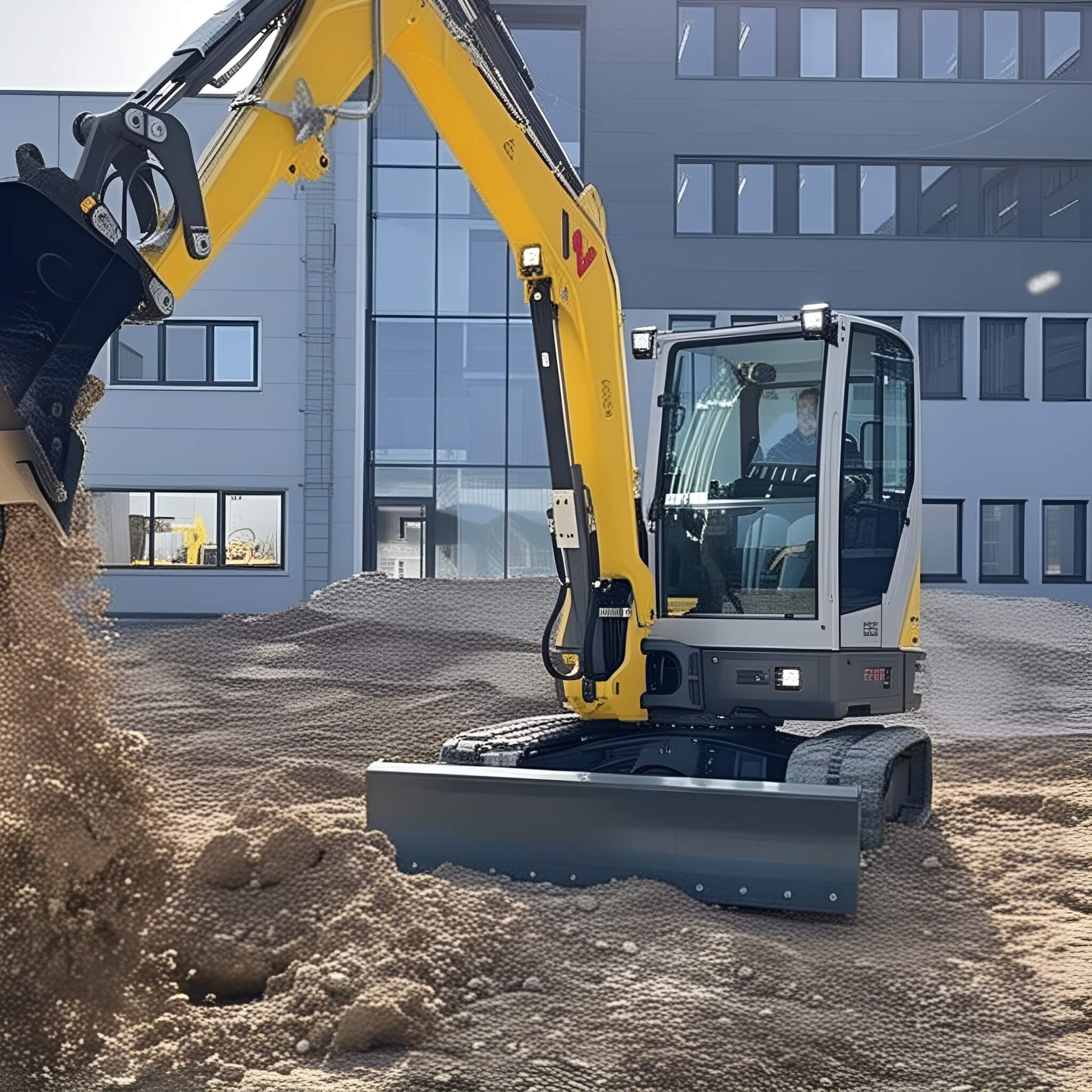
Pennsylvania has a strong excavation services industry that caters to both residential and commercial needs in various landscapes, including the hilly regions of the Alleghenies and the cities of Philadelphia and Pittsburgh. These contractors perform crucial tasks such as:
- Preparing sites for new construction
- Digging foundations
- Clearing and leveling land
- Installing utilities
- Setting up drainage systems
With many contractors working across the state, it’s important to carefully consider several factors in order to make an informed choice. This guide will help you understand the key things you need to know when selecting an excavation contractor in Pennsylvania. We’ll cover topics such as licensing requirements, insurance needs, and local regulations. You’ll also learn how to assess contractors’ qualifications, confirm their experience, and ensure they adhere to all necessary safety standards for your specific project.
Trust Muthler Landscaping for all Your Excavation Needs! FREE ESTIMATES


Understanding Excavation Services

Excavation services encompass a range of specialized construction activities involving the removal, moving, or shaping of earth materials. These services form the foundation of most construction projects, preparing sites for building, landscaping, or infrastructure development.
Common Types of Excavation Work:
1. Residential Excavation
Residential excavation requires specific expertise and equipment. This type of excavation includes tasks such as:
- Basement digging and foundation preparation
- Swimming pool installation
- Drainage system implementation
- Septic tank placement
- Utility line trenching
For a detailed comparison between residential and commercial excavation, you can refer to this insightful blog post.
2. Commercial Excavation
Commercial excavation involves larger-scale operations that demand heavy-duty equipment. This type of excavation includes:
- Building site preparation
- Parking lot grading
- Underground storage tank installation
- Large-scale foundation work
- Site leveling for commercial developments
3. Land Clearing
Land clearing combines both precision and power, particularly in Pennsylvania’s diverse terrain. It involves:
- Removal of trees, stumps, and vegetation
- Lot grading and leveling
- Rock removal and breaking
- Soil preparation for construction
- Environmental preservation measures
For more insights into commercial land clearing excavation, which is an essential aspect of both residential and commercial projects, you can explore further.
Each type of excavation requires specific equipment and expertise. Residential projects often need smaller, precise machinery for limited spaces, while commercial projects demand heavy-duty equipment for larger-scale operations.
The scope of excavation work varies based on project requirements, soil conditions, and local regulations. Professional excavation contractors use advanced surveying techniques and specialized equipment to ensure accurate site preparation while maintaining safety standards and environmental compliance.
Key Factors to Consider When Choosing an Excavation Contractor

Licensing and Registration Requirements
Pennsylvania has strict rules for excavation contractors to ensure public safety and quality work. Your chosen contractor must have:
- L&I Trade Licenses: Required for specific construction and demolition projects
- Home Improvement Contractor Registration: Mandatory for work on existing one or two-family residences
- Business Registration: Valid registration with the Pennsylvania Department of State
You can check a contractor’s licensing status through the Pennsylvania Attorney General’s Office website or by contacting your local L&I office directly. Licensed contractors display their registration numbers on all business documents, vehicles, and advertising materials.
Building Trust Through Reputation and References
A reliable excavation contractor has a good reputation in the community. Here’s how to assess their credibility:
- Request Recent References: Ask for contact information of past clients from similar projects
- Check Online Reviews: Research ratings on platforms like:
- Better Business Bureau (BBB)
- Google Business Profile
- Industry-specific review sites
- Visit Completed Projects: Request to see finished work sites when possible
- Verify Business History: Research how long they’ve operated in Pennsylvania
Permits and Legal Compliance
Proper permits protect both you and your property during excavation work:
Required Documentation:
- Building permits
- Zoning permits
- Environmental permits
- Demolition permits (if applicable)
The contractor should handle permit acquisition and display them prominently at the work site. Use L&I’s permit lookup tool to verify permit validity before work begins.
Insurance Coverage Essentials
Your chosen contractor must have comprehensive insurance coverage:
Mandatory Insurance Types:
- General Liability Insurance: Protects against property damage and injuries
- Workers’ Compensation: Covers employee injuries on the job
- Equipment Insurance: Safeguards expensive machinery
- Commercial Auto Insurance: Covers vehicles used for business
Request current certificates of insurance and verify coverage amounts match your project’s scope. Standard coverage typically ranges from $1-2 million for general liability.
Safety Protocols and Procedures
Professional excavation contractors follow strict safety guidelines:
- Pre-excavation Site Visit: They assess potential hazards and plan accordingly
- Utility Location: Contractors should call 811 to identify underground utilities
- Safety Training: Ensure workers are trained in excavation safety protocols
- Protective Gear: Workers must wear helmets, vests, and other appropriate gear
- Emergency Preparedness: Contractors should have a plan for accidents or emergencies
- Ask about the contractor’s safety record and any previous incidents.
- Ask for references and contact previous clients to gauge satisfaction with the contractor’s work.
- Choosing the right excavation contractor is crucial for a successful project. Be thorough in your research, ask questions, and gather all necessary documentation before making a final decision.n Requirements:
- Contact PA One Call (811)
- Quality Assurance and Warranty
- A reputable contractor will provide a warranty on their work:
- Length of coverage (typically 1-5 years)
- Specific items covered (e.g., foundation stability, drainage systems)
- Ensure warranty terms are clearly outlined in the contract.
Experience and Expertise in Excavation Contracts
A contractor’s experience level directly impacts project success. Here’s how to evaluate their expertise:
1. Past Project Portfolio
- Look for contractors who showcase detailed documentation of their previous excavation work
- Request before-and-after photos of completed projects
- Ask about projects similar to yours in scope and complexity
- Review their track record with different soil types and terrain conditions
2. Specialized Equipment Knowledge
- Experienced contractors maintain well-maintained, modern equipment
- They understand which machines work best for specific project requirements
- Their teams demonstrate proficiency in operating various excavation equipment
- They can explain their equipment selection process for your project
3. Project Management Skills
- Check their ability to meet deadlines on previous projects
- Review their approach to unexpected challenges
- Assess their communication style and responsiveness
- Evaluate their team’s coordination and supervision methods
4. Industry-Specific Expertise
- Residential excavation requires attention to existing structures and utilities
- Commercial projects demand understanding of larger-scale operations
- Land clearing needs knowledge of environmental regulations
- Foundation work calls for precise grading and drainage expertise
5. Technical Knowledge
- Understanding of soil composition and stability
- Expertise in proper drainage solutions
- Knowledge of ground water management
- Familiarity with local geological conditions
Experienced contractors bring valuable problem-solving skills to your project. Their expertise helps prevent costly mistakes, ensures efficient project completion, and maintains safety standards throughout the excavation process.
Local Considerations When Choosing an Excavation Contractor in Lock Haven, PA
Selecting a local excavation contractor in Lock Haven, PA brings distinct advantages to your project. Local contractors understand the unique soil composition and geological features of Clinton County, including the varying terrain from the West Branch Susquehanna River valley to the surrounding mountainous areas.
Key Benefits of Hiring Local Lock Haven Contractors:
- Quick response times for project emergencies
- Deep knowledge of local building codes and permit requirements
- Established relationships with local suppliers and equipment providers
- Familiarity with Lock Haven’s underground utility infrastructure
- Year-round availability for seasonal projects
Lock Haven-Specific Excavation Considerations:
- Soil Types: Lock Haven’s diverse soil composition requires specific excavation approaches, particularly in areas near the river or on hillsides
- Weather Impact: Local contractors understand how Clinton County’s weather patterns affect excavation timing and techniques
- Environmental Regulations: Knowledge of Lock Haven’s watershed protection requirements and erosion control measures
- Historic Districts: Special considerations for excavation work near Lock Haven’s historic properties
- Municipal Requirements: Understanding of specific zoning laws and local ordinances affecting excavation projects
Local excavation contractors in Lock Haven maintain strong connections with city officials and inspectors, streamlining the permit process and ensuring compliance with municipal regulations. Their established presence in the community also means they stake their reputation on every project they complete.
Conclusion

Selecting the right excavation contractor in Pennsylvania requires careful consideration and research. Your due diligence protects your investment and ensures project success. Take time to:
- Verify licenses, permits, and insurance documentation
- Check multiple references and past project examples
- Research local regulations and environmental requirements
- Compare quotes from different contractors
- Confirm safety protocols and compliance standards
A well-chosen excavation contractor brings expertise, reliability, and peace of mind to your project. Remember – the right contractor combines technical skill, legal compliance, and a proven track record of successful excavation work in Pennsylvania.
FAQs (Frequently Asked Questions)
What are the key factors to consider when choosing an excavation contractor in Pennsylvania?
When selecting an excavation contractor in Pennsylvania, consider their licensing and registration, reputation and references, necessary permits and legal compliance, insurance coverage, and safety protocols. Ensuring that the contractor meets state regulations and has adequate experience is crucial for a successful project.
What types of excavation services are commonly offered?
Common types of excavation services include residential excavation, commercial excavation, and land clearing. Each type serves different purposes and may require specific expertise depending on the project requirements.
Why is it important to check a contractor’s reputation before hiring?
Evaluating a contractor’s reputation is essential as it reflects their reliability and quality of work. Checking references can provide insights into past projects and customer satisfaction, helping you make an informed decision.
What permits are needed for excavation work in Pennsylvania?
Before beginning any excavation work in Pennsylvania, it is necessary to obtain the appropriate permits. You can verify these permits using L&I’s lookup tool to ensure compliance with local regulations.
How does local expertise benefit excavation projects in Lock Haven, PA?
Hiring local contractors in Lock Haven can provide advantages such as familiarity with regional regulations, environmental considerations, and logistical convenience. Local contractors may also have established relationships with suppliers and other professionals in the area.
What safety protocols should be followed during excavation projects?
Safety protocols during excavation projects include calling 811 before digging to identify underground utilities, ensuring proper training for workers, using appropriate safety gear, and following all local safety regulations to minimize risks associated with excavation work.


Leave a Reply